Not Sure If Your Smile Is a Veneer Case? Here’s How to Tell
If you’ve ever caught your reflection and thought, “I’d fix that if I could,” there’s a decent chance porcelain veneers could actually fix it. However, not every smile concern is a veneer case—some are, while others require a different treatment entirely, and some need a thorough oral health checkup first before discussing cosmetics.
At Mint Dental in Pearl, MS, Dr. Alexa Lampkin walks patients through this exact question every week: “Is this something veneers can fix, or do I need something else?” Instead of guessing from a Google search, here’s a practical, self-assessment breakdown of the four issues porcelain veneers are actually built to correct—plus a few honest notes on when they’re not the right call.
Ready to learn if your case makes you an ideal candidate for porcelain veneers? Contact our Pearl dental office today at (601) 882-5600 to schedule your appointment.
Cases for Porcelain Veneers
Discoloration or Staining That Won’t Budge
If your teeth have gone from bright to dull despite years of whitening strips, professional whitening trays, or in-office whitening treatments, you’re not imagining it—some stains simply live below the enamel surface where whitening gels can’t reach. This is especially common with:
- Intrinsic staining from tetracycline antibiotic use during childhood tooth development
- Fluorosis, which leaves white or brown mottled patches on the enamel
- Root canal discoloration, where a single treated tooth darkens independently of the rest of your smile
- Age-related yellowing, where enamel has simply thinned enough that the yellower dentin underneath shows through
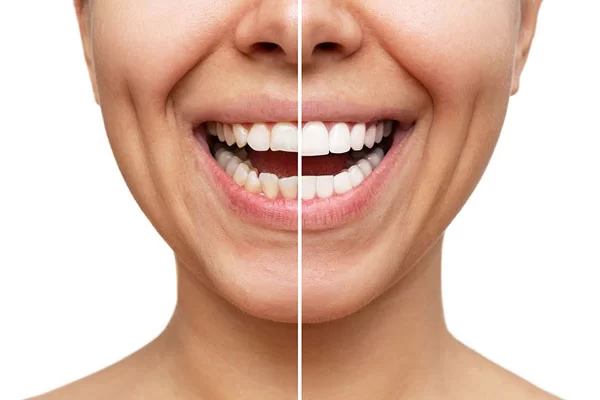
Whitening treatments work on surface stains. Veneers work on structural, deep-set discoloration because they don’t bleach the tooth—they cover it with a thin porcelain shell that’s shade-matched to look like naturally white, healthy enamel. If whitening hasn’t worked and you’re tired of hiding your smile in photos, this is one of the clearest veneer cases there is.
Chipped or Cracked Teeth
A chipped front tooth is one of the more common reasons Pearl-area patients first call Mint Dental. Whether it happened from a bite into something hard, a sports mishap, or just wear over the years, a visible chip is a straightforward correction for porcelain veneers — as long as the chip is cosmetic and the tooth’s inner structure (the pulp and root) is healthy.
Here’s the distinction that matters:
- A small-to-moderate chip on a healthy tooth is usually a veneer case.
- A large fracture that’s exposed the nerve, or a crack that extends below the gumline, usually is not—that’s a case for a dental crown or, in some situations, root canal therapy first.
This is exactly why Dr. Lampkin checks the whole tooth, not just the visible chip, before recommending a treatment path. Cosmetic work only holds up long-term when it’s built on a stable, healthy tooth underneath.
Gaps Between Teeth
Small-to-moderate gaps, especially the classic gap between the two front teeth, are one of the most requested veneer corrections at our Pearl office. For adults who don’t want to spend months or years in braces or clear aligners just to close a single gap, veneers offer a faster path: Dr. Lampkin designs the veneer slightly wider on the side facing the gap, closing the space naturally without touching teeth that don’t need any work.
That said, gap size matters. A small gap between two front teeth is usually an easy veneer fix. Multiple wide gaps throughout the mouth, or gaps caused by an underlying bite problem, often need orthodontic evaluation first—closing a symptom without addressing the cause can create bite issues down the road. Part of your consultation is figuring out which situation you’re actually in.
Misshapen or Slightly Misaligned Teeth
Not every tooth grows in perfect proportion. Some patients have one tooth that’s noticeably shorter, narrower, pointed, or rotated compared to the teeth around it. If it’s a single tooth or a few teeth that are just slightly out of line, not a full-arch alignment issue, veneers can reshape and resize them to blend in naturally with the rest of your smile.
The keyword is slightly. Veneers can mask minor rotation or unevenness because the porcelain shell changes the visible shape of the tooth. But they can’t move a tooth that’s significantly out of position, and forcing a veneer onto a severely misaligned tooth usually looks bulky or unnatural. If your misalignment is more than minor, Dr. Lampkin will typically recommend orthodontic treatment (like ClearCorrect aligners) either instead of veneers or before them.
When Veneers Aren’t the Right Call
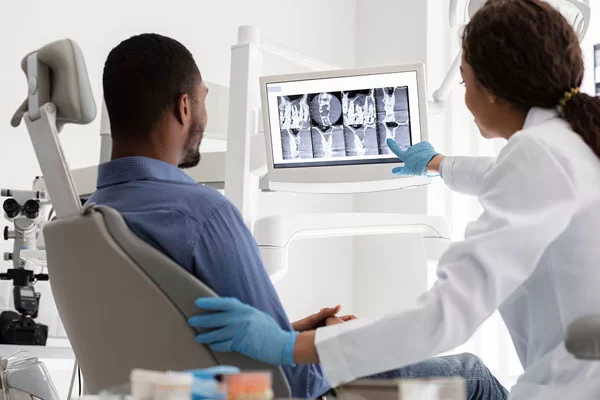
Part of doing this right is being upfront about when veneers aren’t the answer. Before recommending veneers, Dr. Lampkin checks for a few things that need to be addressed first:
- Active gum disease or decay. Cosmetic work placed over an unhealthy foundation doesn’t hold up—treating the underlying issue comes first.
- Uncontrolled teeth grinding (bruxism). Grinding puts repeated stress on veneer edges and can lead to chipping; this usually needs a night guard or bite adjustment before or alongside veneer placement.
- Significant bite misalignment. If the way your teeth meet is contributing to the wear or damage you’re seeing, cosmetic correction alone won’t solve the root problem.
- Insufficient healthy tooth structure. In some cases, a tooth is better served by a dental crown, which offers more structural support than a thin porcelain shell.
None of this is meant to talk you out of veneers—it’s meant to make sure that if you get them, they last. This is also why “ask about their planning process, not just their finished photos” is genuinely good advice when comparing cosmetic dentists.
What Happens at Your Consultation
Figuring out which category your smile falls into isn’t something you have to do alone. At your consultation, Dr. Lampkin will:
- Examine your teeth, gums, and bite to rule out anything that needs treatment first
- Take a digital scan for a precise, comfortable impression
- Talk through which of your concerns—staining, chips, gaps, or shape—are driving your interest in a smile change
- Walk you through whether traditional porcelain, no-prep veneers, or a veneer alternative like whitening or a crown fits your specific case
Ready to Find Out If You’re a Veneer Candidate? Schedule Your Pearl, MS Consultation Today
Whether your concern is a stubborn stain, a chipped front tooth, a gap you’ve always wanted closed, or a tooth that’s just never quite matched the rest of your smile, Dr. Alexa Lampkin and the team at Mint Dental can tell you exactly where you stand. Contact our Pearl dental office at (601) 882-5600 or book online to schedule your porcelain veneer consultation. We welcome patients from Pearl, Brandon, Richland, Jackson, and the surrounding Mississippi communities.