
How to Protect Your Child’s Oral Health This Spring
Easter baskets are packed. Spring break snacks are stocked. And for the next two weeks, most kids are about to consume more sugar than they do in almost any other stretch of the year. For parents in Pearl, Brandon, Richland, and Jackson, MS, it’s a fun season, but it’s also prime time for cavities.
Here’s a stat worth knowing: tooth decay is the most common chronic disease of childhood in the United States — more common than asthma. According to the CDC, approximately half of all children aged 6 to 9 have already had a cavity in their primary or permanent teeth. And the spike in dental issues after spring break and Easter is something that Dr. Alexa Lampkin, a dentist in Pearl, MS, sees at Mint Dental every single spring.
The good news? A little knowledge goes a long way. This guide breaks down exactly which treats do the most damage, what to do after the Easter egg hunt, and how to protect your child’s smile before the school year finishes out.
Call our Pearl dental office today at (601) 882-5600 to schedule your child’s dental appointment.
Why Spring Is Actually Prime Cavity Season
Easter falls on April 5th this year—just a few weeks after spring break for most families across Pearl, Brandon, Flowood, and the greater Jackson area. We understand spring break is the time when kids are home all day. Routines are off. Snacks are everywhere. And bedtime brushing? It often gets skipped. Now going back to school after the break? It can be difficult to get them back on track.
But here’s the thing that parents don’t always realize: cavities aren’t just caused by how much sugar your child eats; they’re caused by how often teeth are exposed to sugar throughout the day. When kids graze on candy continuously from morning to night, they’re giving the bacteria in their mouths a nonstop supply of fuel to produce enamel-eroding acid. One big candy binge after dinner is actually less damaging than nibbling on jelly beans all afternoon.
The numbers back this up. According to the National Institute of Dental and Craniofacial Research (NIDCR) (page 26), tooth decay in children is five times more common than asthma and seven times more common than hay fever. That usually catches parents off guard—because dental health doesn’t get the same attention as other childhood health concerns, even though it affects far more kids.
Spring break also means sports practices, road trips, and grandparent visits — all situations where brushing takes a back seat. One missed night won’t wreck a healthy mouth, but a full week of lax habits on top of increased sugar exposure absolutely can.
The Easter Basket Candy Ranking: Worst to Best for Your Child’s Teeth
Not all candy is created equal when it comes to dental damage. Here’s how the most common Easter basket staples stack up — so you can make smarter swaps without having to cancel the egg hunt.
Worst Offenders
Gummies, Peeps, and any sticky, chewy candy top the danger list for one simple reason: they get lodged deep into the pits and grooves of teeth and stay there. Saliva can’t wash them away. Brushing alone often can’t dislodge them. That means the sugar sits directly on tooth enamel for hours, giving bacteria a long, uninterrupted feeding window. Gummy candies are one of the most consistent culprits behind the post-holiday cavity spike Dr. Lampkin sees at Mint Dental in Pearl each spring.
Sour candies are a double threat. They’re highly acidic on their own — that sour punch is literally acid hitting your child’s enamel — and they carry heavy sugar loads on top of it. The acid weakens enamel directly, making teeth more vulnerable to cavities from the sugar that follows. If your child reaches for sour gummies, that combination is among the most damaging treats in the basket.
Hard candies don’t stick, but they introduce a different problem: time. Kids suck on lollipops and hard candies for several minutes, sometimes longer. During that entire window, dissolved sugar is coating every surface of the mouth — teeth, gums, tongue, and all. The longer the exposure, the more opportunity bacteria have to go to work. A lollipop that lasts ten minutes is delivering a ten-minute acid bath to your child’s enamel.
Like gummies, caramels, and taffy stick aggressively to tooth surfaces and resist rinsing. They’re particularly problematic for kids with sealants or fillings, as the pulling force can sometimes dislodge dental work. If your child has had any restorative treatment, caramel and taffy are worth skipping entirely.
Better Choices
Good news for chocolate lovers: Regular milk or dark chocolate is one of the least damaging candies in the Easter basket. Chocolate dissolves quickly in the mouth, which means it doesn’t cling to teeth the way sticky or chewy candies do. It’s rinsed away relatively easily by saliva.
Dark chocolate has the added bonus of containing less sugar than milk chocolate, and some studies suggest certain compounds in cocoa may actually have mild antibacterial properties. It’s still sugar — so moderation and brushing still apply — but if you’re swapping anything in the basket, this is your best bet.
Adding nuts to the equation is genuinely helpful. The texture of nuts helps break up and disrupt the sugar coating, and the protein content contributes to a more balanced snack overall. A Reese’s peanut butter cup, for all its sugar, is a better dental choice than a bag of sour worms, and that’s not a bad trade.
For families who want to go the extra mile, xylitol-sweetened candies and gum are worth looking for. Xylitol is a natural sugar alcohol that bacteria can’t feed on — meaning it doesn’t produce the same acid attack. Some research even suggests xylitol may actively inhibit the bacteria that cause cavities. Sugar-free gum sweetened with xylitol after meals is something Dr. Lampkin often recommends for older kids as an easy cavity-prevention habit.
4 Things to Do After the Easter Egg Hunt
So your child just ate their weight in jelly beans. Here’s what to do now:
- Brush within the hour — don’t wait until bedtime. After a heavy sugar exposure, a quick brush as soon as possible removes the sugar film before bacteria can spend hours converting it into enamel-eroding acid. Make it part of the post-holiday routine: candy’s done, brush time. Kids adapt to this faster than parents expect, especially if you make it part of the tradition rather than a punishment.
- Rinse with water immediately. When brushing isn’t an option — you’re at grandma’s, in the car on the way home, or at the park — rinsing the mouth with plain water is surprisingly effective. It dilutes the acid environment and removes loose sugar before it settles. Encourage kids to swish and spit after any sweet treat when a toothbrush isn’t nearby.
- Time the treats — don’t let kids graze all day. This one surprises most parents: letting your child eat several pieces of candy in one sitting after a meal is actually less damaging than letting them snack on two or three pieces every hour throughout the day. Each sugar exposure triggers an acid attack that lasts about 20–30 minutes. One sitting means one acid attack. Six hours of snacking means six or more acid attacks. Contain candy to a specific treat time and clear it away.
- Book a post-spring-break cleaning at Mint Dental. Spring break is one of the easiest times of year to get kids in for a dental visit — no school schedule to work around, and the timing is perfect for catching any early damage before the rest of the school year. Only about 48% of U.S. children visit the dentist twice a year as recommended by the American Dental Association. A post-Easter cleaning is a natural opportunity to get back on track if your family has fallen behind.
One Thing That Protects Your Kid’s Teeth Year-Round (Not Just at Easter)
Of course, the best approach to candy season isn’t reactive — it’s having the right protection already in place. That’s where dental sealants come in, and they’re one of the most underused tools in pediatric dentistry.
Here’s the stat that stops most parents mid-sentence: according to the CDC, dental sealants prevent up to 80% of cavities in the back teeth over two years — and that’s significant, because the back molars are where nine out of ten childhood cavities actually form. The deep grooves and pits on the chewing surfaces of molars are nearly impossible to clean thoroughly with a toothbrush, especially for younger kids who are still developing their brushing technique.
Sealants are a thin protective coating that Dr. Lampkin applies directly to those grooved surfaces, sealing out bacteria and food particles before they can cause damage. The application takes just a few minutes per tooth, is completely painless, and typically lasts several years. The American Dental Association recommends sealants as soon as the first permanent molars come in, usually around age 6, and again when the second set arrives around age 12.
Despite how effective they are, the CDC estimates that less than half of children and adolescents in the U.S. have sealants. That means the majority of kids are heading into candy season and every other season without one of the most proven preventive tools available.
If your child is between the ages of 6 and 14 and hasn’t had sealants placed yet, it’s worth asking about at your next visit to Mint Dental. It’s a small investment that can save significant time, money, and discomfort down the road.
Don’t Forget the Basics: Daily Habits That Make the Biggest Difference
Sealants and cleanings work best when paired with strong daily habits at home. Here’s a quick refresher on what actually moves the needle for kids of every age:
- Brush twice a day for two full minutes. Use a fluoride toothpaste—a rice-grain amount for children under 3, and a pea-sized amount for ages 3 and up. Supervise brushing until around age 8; most kids under 8 don’t have the fine motor control to brush effectively on their own.
- Start flossing as soon as two teeth touch. Bacteria hide between teeth where brushes can’t reach. Floss picks are easier for kids and for parents helping younger children.
- Limit sugary drinks — especially juice and sports drinks. These are significant contributors to childhood cavities and are often underestimated because they don’t feel like “candy.” Water is the best option between meals.
- Keep every-six-month appointments. Regular cleanings at Mint Dental allow Dr. Lampkin to catch early decay before it becomes a larger and more expensive problem. Early detection is always the better path.
Ready to Schedule Your Child’s Spring Checkup?
Spring break is genuinely one of the best windows of the year to bring kids in for a dental visit. There’s no school to work around, no rushed mornings, and it’s the perfect time to get a fresh start before summer. Whether your child is due for a routine cleaning, needs sealants placed on new molars, or you just want peace of mind after a candy-filled Easter, Dr. Alexa Lampkin and the team at Mint Dental are here to help.
At Mint Dental, we take a gentle, kid-friendly approach to every visit — because the habits and experiences children build now shape how they feel about dental care for the rest of their lives. Dr. Lampkin genuinely loves working with young patients, and it shows in how comfortable kids feel by the time they leave.
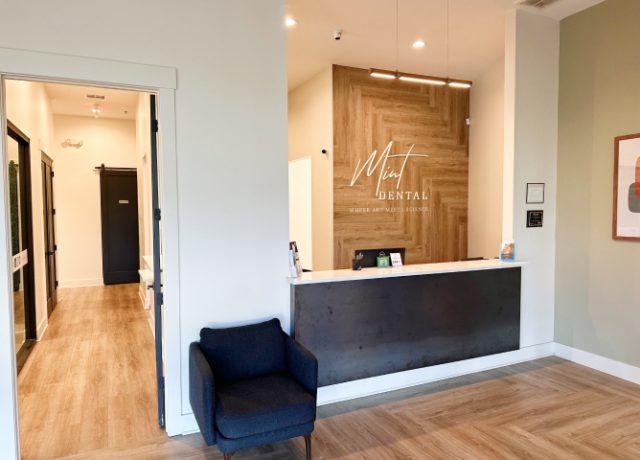
We welcome patients from Pearl, Brandon, Richland, and Jackson, MS. Our Pearl dental office is conveniently located at 190 Riverwind E Dr., Suite 201, Pearl, MS 39208. Call us at (601) 882-5600 to schedule your child’s appointment, or book online. We can’t wait to meet your family and give your child a dental home they’ll actually look forward to visiting.